






Posts List






Health
The Collectibles Market: A Growing Haven for Investors Seeking Real Assets
In an era of volatile stock markets, rising inflation, and uncertain economic landscapes, many investors are seeking alternatives to traditional financial instruments. Increasingly, real, tangible assets such as gold, real estate, and fine art are being joined by another compelling category: collectibles. From rare coins, stamps, and vintage toys to comic books, trading cards, and luxury watches, the collectibles market has emerged as both a cultural and financial phenomenon. For investors, the appeal lies not only in the emotional satisfaction of owning a piece of history but also in the potential for significant returns. This article explores the current state of the collectibles market, its future potential, and why it is becoming an attractive sector for investors.
Understanding the Collectibles Market
The collectibles market is broad and diverse, encompassing items that hold value due to rarity, historical significance, or demand among enthusiasts. Unlike traditional investments, which are often tied to economic indicators, the value of collectibles is largely influenced by scarcity, provenance, and the subjective tastes of collectors. Some of the key categories in this sector include:
- Art and Antiques: Fine art, sculptures, antique furniture, and decorative objects.
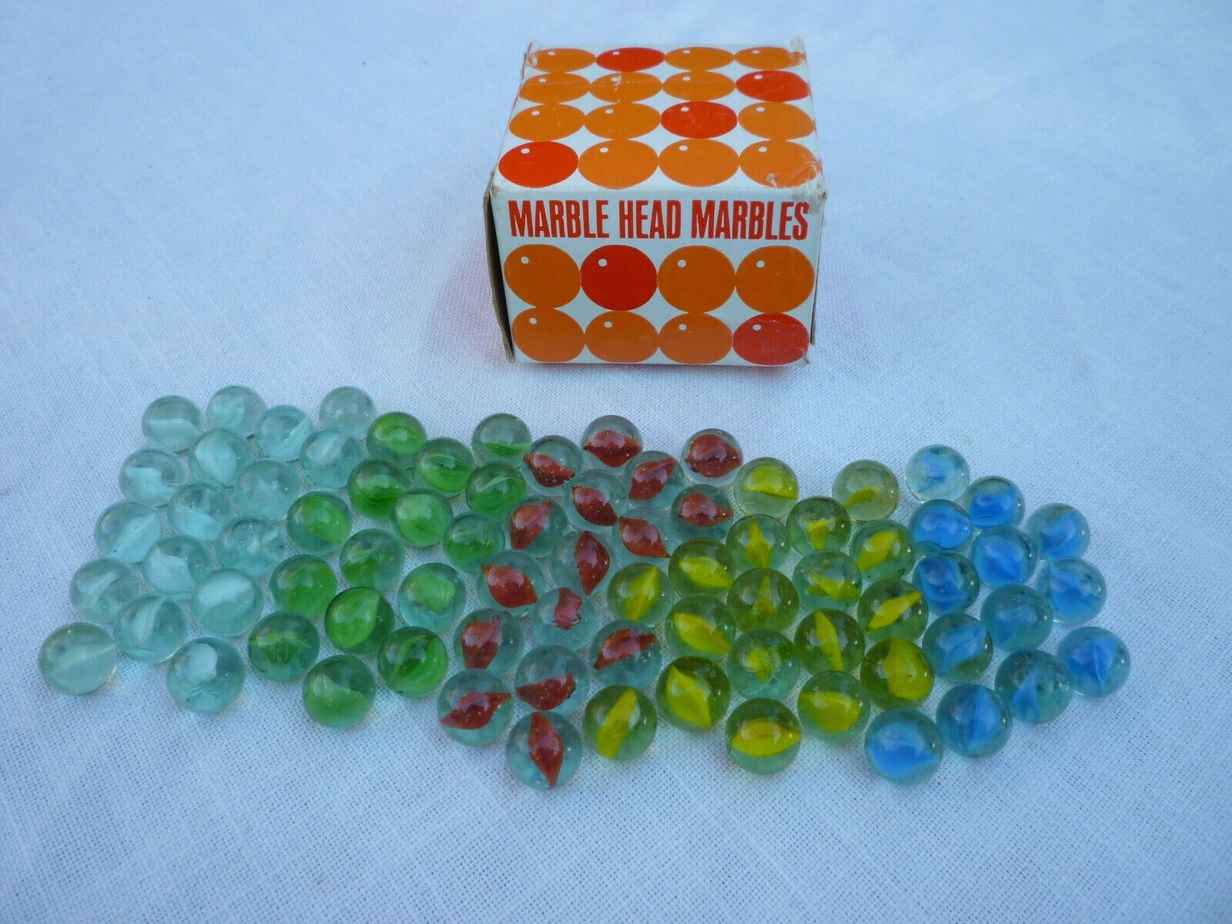
- Toys and Games: Vintage toys, action figures, marbles, dolls, board games, and trading card games.
- Numismatics and Philately: Rare coins, banknotes, and stamps.
- Luxury Goods: Watches, handbags, jewelry, and limited-edition collectibles.
- Pop Culture Memorabilia: Comic books, movie props, music records, and sports memorabilia.
Historically, collectibles were primarily seen as hobbies, pursued for personal enjoyment or family tradition. However, the past two decades have witnessed a shift, with investors recognizing the potential for wealth creation within this sector.
Drivers of Growth in the Collectibles Market
Several factors are fueling the growth of the collectibles market and making it attractive to investors:
1. Scarcity and Rarity
Many collectibles derive their value from limited production or surviving quantities. For example, vintage comic books with original prints, rare coins from historical mints, or first-edition trading cards are inherently finite. Scarcity often increases over time as items are lost, damaged, or preserved in private collections, creating a supply-demand imbalance that drives prices upward.
2. Cultural and Emotional Significance
Collectibles often carry nostalgia, sentimental value, or cultural importance. Toys from a particular decade, iconic comic book issues, or memorabilia from sports legends evoke emotional responses that transcend financial considerations. Investors recognize that these intangible qualities often sustain or increase value even during market downturns.
3. Diversification from Traditional Assets
In an era of stock market volatility, interest in non-traditional investments has grown. Collectibles are tangible, immune to inflation in the way cash and bonds are not, and often have low correlation with traditional markets. By adding collectibles to a portfolio, investors can achieve greater diversification and hedge against systemic financial risk.
4. The Rise of Online Marketplaces
The internet has democratized the collectibles market. Platforms like eBay, Heritage Auctions, ComicConnect, and even specialized NFT marketplaces have expanded access for both buyers and sellers. Online auctions allow collectors worldwide to bid on rare items, creating competitive pricing and increasing market liquidity.
5. Growing Institutional Interest
In recent years, institutional investors, including hedge funds and family offices, have entered the collectibles market. Their involvement has legitimized the sector as a serious investment class. Companies now offer fractional ownership of rare collectibles, art-backed funds, and secure storage solutions, making it easier for investors to participate without owning the physical item outright.
Case Studies of Collectibles as Investment Vehicles
Several categories within the collectibles market have demonstrated remarkable returns, often outperforming traditional asset classes:
Comic Books
The comic book market has seen record-breaking sales in the past decade. Iconic issues such as Action Comics #1 and Amazing Fantasy #15 have sold for millions, driven by a combination of rarity, historical significance, and pop culture relevance. Even mid-tier comics can appreciate substantially if kept in pristine condition.
Trading Cards
Trading card collecting, particularly sports and trading card games like Pokémon or Magic: The Gathering, has exploded in recent years. A first-edition Pokémon card sold for over $900,000 in 2021, highlighting the market’s growth potential. Investors are drawn to the dual appeal of nostalgia and scarcity, with top-tier cards serving as tangible alternatives to more volatile investments.
Luxury Watches
High-end watches from brands like Rolex, Patek Philippe, and Audemars Piguet have become coveted collectibles and financial instruments. Limited editions or vintage models frequently appreciate over time, particularly if they are well-preserved and have historical significance. The market has matured with authentication services and professional grading, making it safer for investors to enter.
Coins and Stamps
Numismatics and philately remain pillars of the collectibles market. Rare coins from historical mints or limited runs, as well as stamps with printing errors or historical importance, have long been recognized as stores of value. Recent global economic instability has increased demand for these assets, reinforcing their role as real, tangible investments.
The Role of Authentication and Grading
A key component of investing in collectibles is ensuring authenticity and assessing condition. Grading services, such as PSA (Professional Sports Authenticator) for cards or CGC (Certified Guaranty Company) for comics, provide standardized evaluations that increase market confidence. A high-grade, authenticated collectible can command a significant premium over an unverified or lower-grade item.
Authentication not only protects buyers but also ensures that the market maintains credibility. As the sector grows, professional third-party verification becomes increasingly crucial, especially for high-value investments.
Future Potential of the Collectibles Market
The future of the collectibles market appears promising for investors seeking real assets. Several trends suggest continued growth and diversification:
1. Expansion into Digital Collectibles
While physical collectibles remain dominant, digital assets such as NFTs (non-fungible tokens) are expanding the definition of collecting. Limited-edition digital art, tokenized trading cards, and virtual memorabilia are creating new investment opportunities. The integration of blockchain technology ensures verifiable scarcity and provenance, bridging the gap between traditional and digital assets.
2. Increasing Institutionalization
As more institutions enter the market, the collectibles sector is likely to experience greater liquidity, transparency, and standardization. Fractional ownership platforms and professionally managed funds allow smaller investors to access high-value collectibles that were previously exclusive to ultra-wealthy collectors.
3. Global Market Growth
Emerging markets, particularly in Asia and the Middle East, are showing rising interest in collectibles. Economic growth and increasing disposable income in these regions are creating new demand for rare items, driving international prices upward. Collectibles that resonate with global audiences, such as limited-edition toys or art pieces, are particularly well-positioned to benefit.
4. Sustainability and Preservation
The value of collectibles is often tied to their condition and historical significance. As awareness around preservation grows, professional storage, conservation techniques, and climate-controlled environments will help maintain or enhance value. Investors increasingly recognize that careful stewardship of their assets is essential for long-term returns.
Risks and Considerations
While the collectibles market offers exciting opportunities, investors must be aware of certain risks:
- Market Volatility: Prices can fluctuate based on trends, pop culture relevance, or collector sentiment.
- Illiquidity: Rare items may take time to sell, particularly in private markets or niche categories.
- Forgery and Misrepresentation: Without proper authentication, investors risk purchasing fake or misrepresented items.
- Storage and Maintenance Costs: High-value collectibles often require secure storage, insurance, and climate-controlled environments.
- Subjectivity of Value: Unlike stocks or bonds, the value of collectibles is largely subjective and can vary depending on trends, provenance, and buyer interest.
By understanding these risks and conducting thorough due diligence, investors can mitigate exposure while participating in a potentially lucrative asset class.
Strategies for Investing in Collectibles
Investors interested in the collectibles market can adopt several strategies:
- Focus on Rarity and Condition: Prioritize items with limited availability and excellent preservation.
- Specialize in a Niche: Become an expert in a particular category, such as vintage toys, sports memorabilia, or rare coins.
- Leverage Grading and Authentication: Always seek professionally graded and authenticated items to ensure credibility.
- Diversify Across Categories: Spread investment across different collectible types to reduce risk.
- Monitor Trends: Stay informed about emerging interests, pop culture phenomena, and global demand shifts.
Resources
Vintage Antique Marbles Company – Great blog and online shop for bu
Economy
The Collectibles Market: A Growing Haven for Investors Seeking Real Assets
In an era of volatile stock markets, rising inflation, and uncertain economic landscapes, many investors are seeking alternatives to traditional financial instruments. Increasingly, real, tangible assets such as gold, real estate, and fine art are being joined by another compelling category: collectibles. From rare coins, stamps, and vintage toys to comic books, trading cards, and luxury watches, the collectibles market has emerged as both a cultural and financial phenomenon. For investors, the appeal lies not only in the emotional satisfaction of owning a piece of history but also in the potential for significant returns. This article explores the current state of the collectibles market, its future potential, and why it is becoming an attractive sector for investors.
Understanding the Collectibles Market
The collectibles market is broad and diverse, encompassing items that hold value due to rarity, historical significance, or demand among enthusiasts. Unlike traditional investments, which are often tied to economic indicators, the value of collectibles is largely influenced by scarcity, provenance, and the subjective tastes of collectors. Some of the key categories in this sector include:
- Art and Antiques: Fine art, sculptures, antique furniture, and decorative objects.
- Toys and Games: Vintage toys, action figures, marbles, dolls, board games, and trading card games.
- Numismatics and Philately: Rare coins, banknotes, and stamps.
- Luxury Goods: Watches, handbags, jewelry, and limited-edition collectibles.
- Pop Culture Memorabilia: Comic books, movie props, music records, and sports memorabilia.
Historically, collectibles were primarily seen as hobbies, pursued for personal enjoyment or family tradition. However, the past two decades have witnessed a shift, with investors recognizing the potential for wealth creation within this sector.
Drivers of Growth in the Collectibles Market
Several factors are fueling the growth of the collectibles market and making it attractive to investors:
1. Scarcity and Rarity
Many collectibles derive their value from limited production or surviving quantities. For example, vintage comic books with original prints, rare coins from historical mints, or first-edition trading cards are inherently finite. Scarcity often increases over time as items are lost, damaged, or preserved in private collections, creating a supply-demand imbalance that drives prices upward.
2. Cultural and Emotional Significance
Collectibles often carry nostalgia, sentimental value, or cultural importance. Toys from a particular decade, iconic comic book issues, or memorabilia from sports legends evoke emotional responses that transcend financial considerations. Investors recognize that these intangible qualities often sustain or increase value even during market downturns.
3. Diversification from Traditional Assets
In an era of stock market volatility, interest in non-traditional investments has grown. Collectibles are tangible, immune to inflation in the way cash and bonds are not, and often have low correlation with traditional markets. By adding collectibles to a portfolio, investors can achieve greater diversification and hedge against systemic financial risk.
4. The Rise of Online Marketplaces
The internet has democratized the collectibles market. Platforms like eBay, Heritage Auctions, ComicConnect, and even specialized NFT marketplaces have expanded access for both buyers and sellers. Online auctions allow collectors worldwide to bid on rare items, creating competitive pricing and increasing market liquidity.
5. Growing Institutional Interest
In recent years, institutional investors, including hedge funds and family offices, have entered the collectibles market. Their involvement has legitimized the sector as a serious investment class. Companies now offer fractional ownership of rare collectibles, art-backed funds, and secure storage solutions, making it easier for investors to participate without owning the physical item outright.
Case Studies of Collectibles as Investment Vehicles
Several categories within the collectibles market have demonstrated remarkable returns, often outperforming traditional asset classes:
Comic Books
The comic book market has seen record-breaking sales in the past decade. Iconic issues such as Action Comics #1 and Amazing Fantasy #15 have sold for millions, driven by a combination of rarity, historical significance, and pop culture relevance. Even mid-tier comics can appreciate substantially if kept in pristine condition.
Trading Cards
Trading card collecting, particularly sports and trading card games like Pokémon or Magic: The Gathering, has exploded in recent years. A first-edition Pokémon card sold for over $900,000 in 2021, highlighting the market’s growth potential. Investors are drawn to the dual appeal of nostalgia and scarcity, with top-tier cards serving as tangible alternatives to more volatile investments.
Luxury Watches
High-end watches from brands like Rolex, Patek Philippe, and Audemars Piguet have become coveted collectibles and financial instruments. Limited editions or vintage models frequently appreciate over time, particularly if they are well-preserved and have historical significance. The market has matured with authentication services and professional grading, making it safer for investors to enter.
Coins and Stamps
Numismatics and philately remain pillars of the collectibles market. Rare coins from historical mints or limited runs, as well as stamps with printing errors or historical importance, have long been recognized as stores of value. Recent global economic instability has increased demand for these assets, reinforcing their role as real, tangible investments.
The Role of Authentication and Grading
A key component of investing in collectibles is ensuring authenticity and assessing condition. Grading services, such as PSA (Professional Sports Authenticator) for cards or CGC (Certified Guaranty Company) for comics, provide standardized evaluations that increase market confidence. A high-grade, authenticated collectible can command a significant premium over an unverified or lower-grade item.
Authentication not only protects buyers but also ensures that the market maintains credibility. As the sector grows, professional third-party verification becomes increasingly crucial, especially for high-value investments.
Future Potential of the Collectibles Market
The future of the collectibles market appears promising for investors seeking real assets. Several trends suggest continued growth and diversification:
1. Expansion into Digital Collectibles
While physical collectibles remain dominant, digital assets such as NFTs (non-fungible tokens) are expanding the definition of collecting. Limited-edition digital art, tokenized trading cards, and virtual memorabilia are creating new investment opportunities. The integration of blockchain technology ensures verifiable scarcity and provenance, bridging the gap between traditional and digital assets.
2. Increasing Institutionalization
As more institutions enter the market, the collectibles sector is likely to experience greater liquidity, transparency, and standardization. Fractional ownership platforms and professionally managed funds allow smaller investors to access high-value collectibles that were previously exclusive to ultra-wealthy collectors.
3. Global Market Growth
Emerging markets, particularly in Asia and the Middle East, are showing rising interest in collectibles. Economic growth and increasing disposable income in these regions are creating new demand for rare items, driving international prices upward. Collectibles that resonate with global audiences, such as limited-edition toys or art pieces, are particularly well-positioned to benefit.
4. Sustainability and Preservation
The value of collectibles is often tied to their condition and historical significance. As awareness around preservation grows, professional storage, conservation techniques, and climate-controlled environments will help maintain or enhance value. Investors increasingly recognize that careful stewardship of their assets is essential for long-term returns.
Risks and Considerations
While the collectibles market offers exciting opportunities, investors must be aware of certain risks:
- Market Volatility: Prices can fluctuate based on trends, pop culture relevance, or collector sentiment.
- Illiquidity: Rare items may take time to sell, particularly in private markets or niche categories.
- Forgery and Misrepresentation: Without proper authentication, investors risk purchasing fake or misrepresented items.
- Storage and Maintenance Costs: High-value collectibles often require secure storage, insurance, and climate-controlled environments.
- Subjectivity of Value: Unlike stocks or bonds, the value of collectibles is largely subjective and can vary depending on trends, provenance, and buyer interest.
By understanding these risks and conducting thorough due diligence, investors can mitigate exposure while participating in a potentially lucrative asset class.
Strategies for Investing in Collectibles
Investors interested in the collectibles market can adopt several strategies:
- Focus on Rarity and Condition: Prioritize items with limited availability and excellent preservation.
- Specialize in a Niche: Become an expert in a particular category, such as vintage toys, sports memorabilia, or rare coins.
- Leverage Grading and Authentication: Always seek professionally graded and authenticated items to ensure credibility.
- Diversify Across Categories: Spread investment across different collectible types to reduce risk.
- Monitor Trends: Stay informed about emerging interests, pop culture phenomena, and global demand shifts.
Resources
Vintage Antique Marbles Company – Great blog and online shop for bu